- This topic is empty.
- AuthorPosts
- 02/01/2026 at 15:35 #9743
Sheetal Chhetri, a national road racer, who represents West Bengal recently got custom crank arms custom for cycles in India…
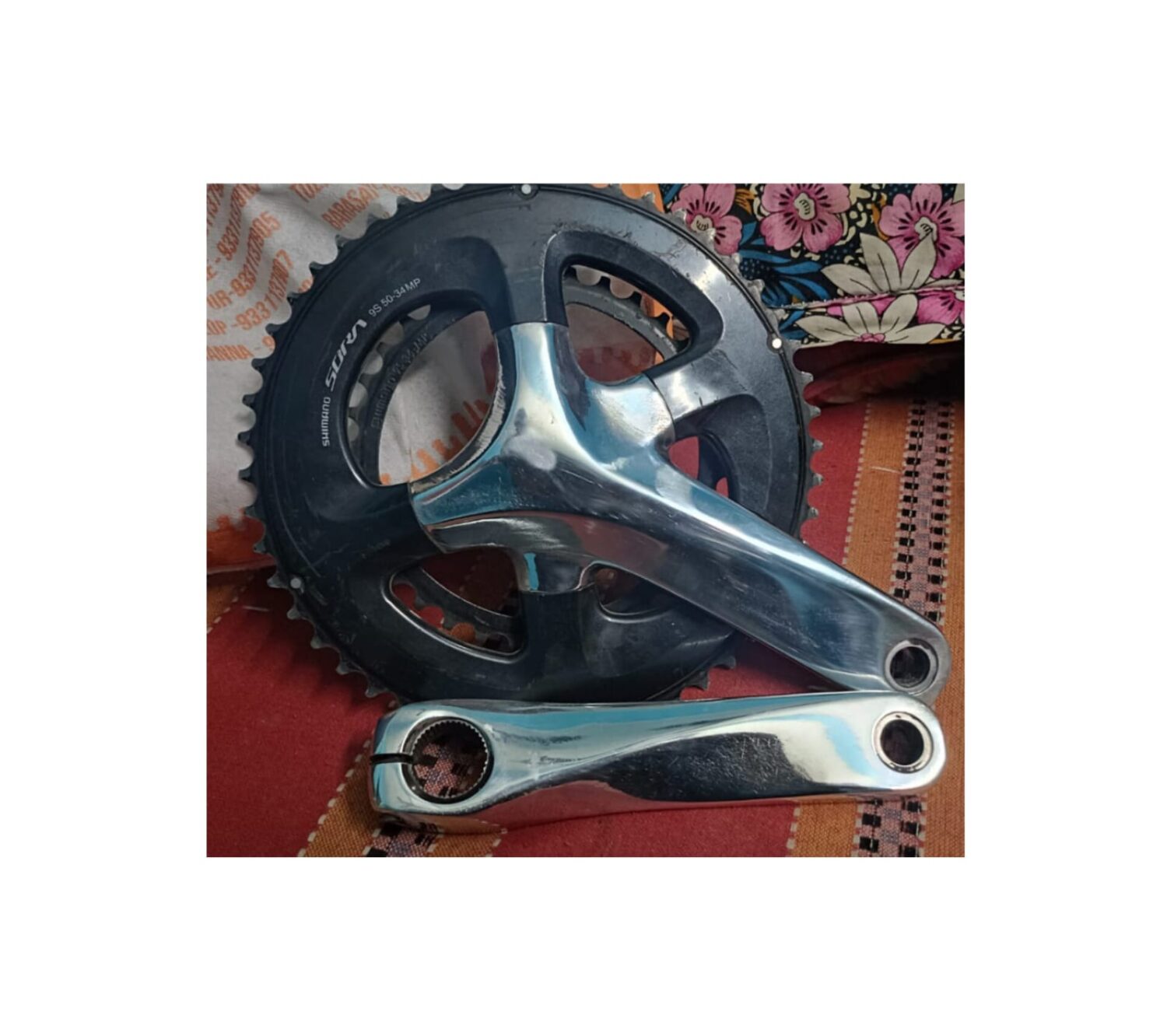

The custom crank arms For decades, the cycling industry adhered to a “standard” crank length of 170mm or 172.5mm for almost every adult bike. However, recent biomechanical research and insights from professional bike fitters have sparked a shift toward shorter cranks. Far from being a niche trend, shorter crank lengths offer significant physiological and aerodynamic advantages, particularly for triathletes, shorter riders, and those seeking to optimize their power delivery.
Does it even help?
Hip Angle
The most fundamental benefit of a shorter crank is the improvement of the rider’s hip angle at the top of the pedal stroke. When a crank is too long, the knee is pushed high toward the chest at the 12 o’clock position. This “closes” the hip angle, often leading to hip impingement or “pinging,” where the thigh bone strikes the pelvis. By shortening the crank, the foot does not rise as high, keeping the hip more open. This allows for a smoother transition through the “dead spot” at the top of the stroke, enabling the rider to apply power more consistently throughout the entire rotation.
Aerodynamics
This opening of the hip angle has a direct impact on aerodynamics. For time trialists and triathletes, the limiting factor in getting “low” at the front end is often the hip angle. If a rider lowers their handlebars while using long cranks, the hip angle becomes so tight that power output drops. Shorter cranks allow a rider to lower their torso and move their saddle forward without compromising their breathing or power. This results in a more “slippery” profile against the wind, which is often the single greatest factor in increasing speed.
Injury Prevention
Beyond aerodynamics, shorter cranks promote joint health and injury prevention. Long cranks require a greater range of motion from the hips, knees, and ankles. For riders with limited flexibility or pre-existing joint issues, the deep knee flexion required by a 175mm crank can cause significant strain. Shorter cranks reduce this range of motion, lowering the peak stress on the knee joint.
Mechanical Advantage
While some worry that shorter cranks mean a loss of leverage, the reality is a shift in mechanical advantage. A shorter crank requires slightly more force to produce the same torque, but this is easily compensated for by shifting to a lighter gear and maintaining a higher cadence. Most riders find that a shorter crank makes it easier to maintain a high, efficient RPM, which places more of the load on the cardiovascular system rather than the muscular system, leading to less fatigue over long distances. Perfect for endurance cyclists.
Practical Advantage
Finally, there are practical, technical advantages. For mountain bikers and criterium racers, shorter cranks provide increased ground clearance. This reduces the risk of “pedal strikes” when navigating technical terrain or pedalling through sharp corners.
The move toward shorter cranks is about matching the tool to the human body. Whether it is to solve a fit issue like hip impingement, to gain an aerodynamic edge, or to protect the knees, shorter cranks provide a more adaptable and efficient platform for a wide range of cyclists.
Custom Crank Arms for Cycles in India
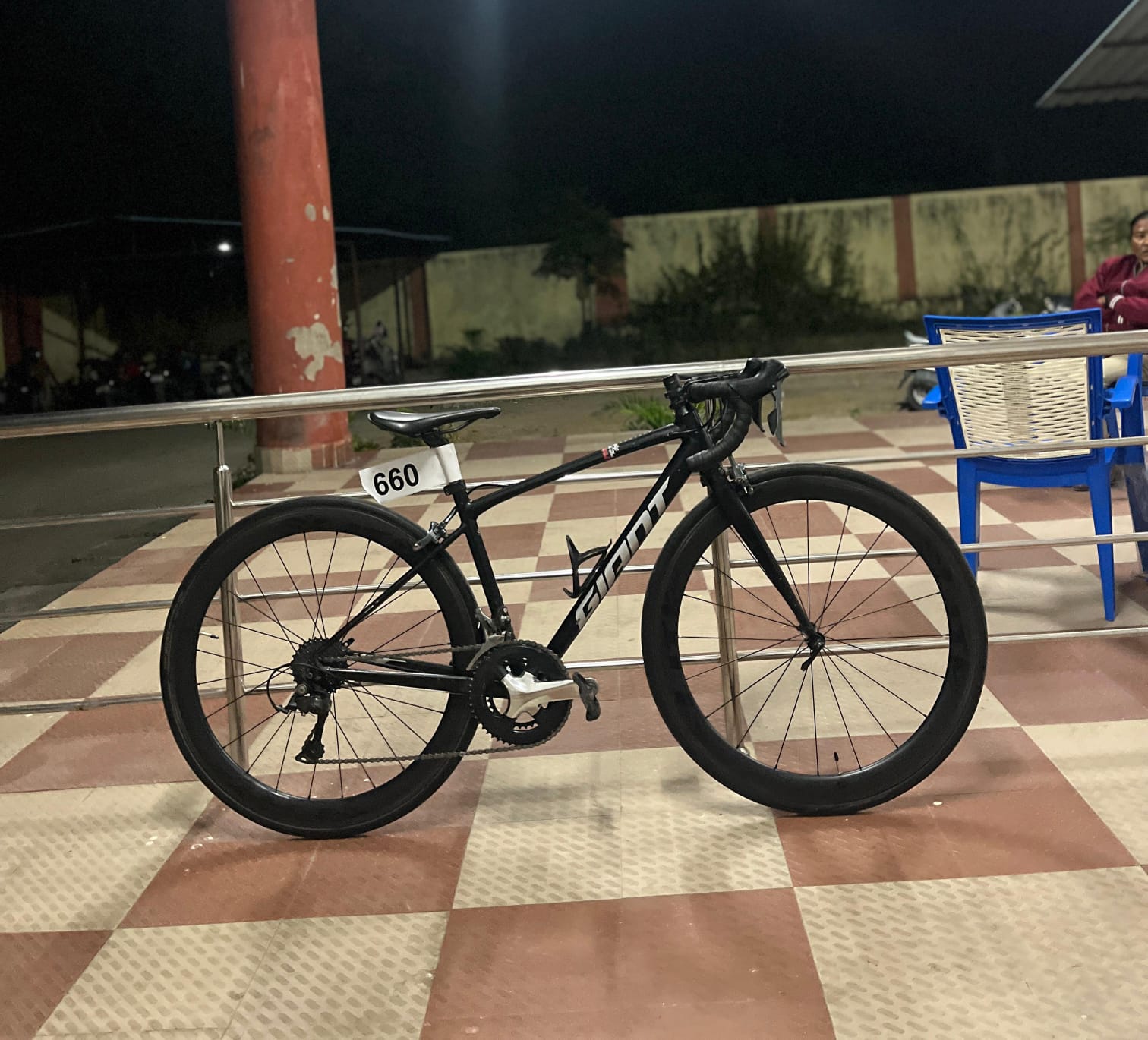
And with this in mind, Siliguri based Sheetal, road racer representing West Bengal, decided to change the crank arms on her bicycle. Her bike came fitted with 170 mm crank arms, which is not at all suitable for her height and requirement. It was hindering her riding, racing and comfort on the saddle. Even 165 mm which was available in the Indian market was not suitable. She needed a 150 mm crank, which was not available in India. It would need to be imported at great cost and would still not have reached in time for her races at the Nationals.
Through her cycling friend, Rejick, she got in touch with Polo, who customised a pair for her from an existing market bought stock 170 mm crankset.
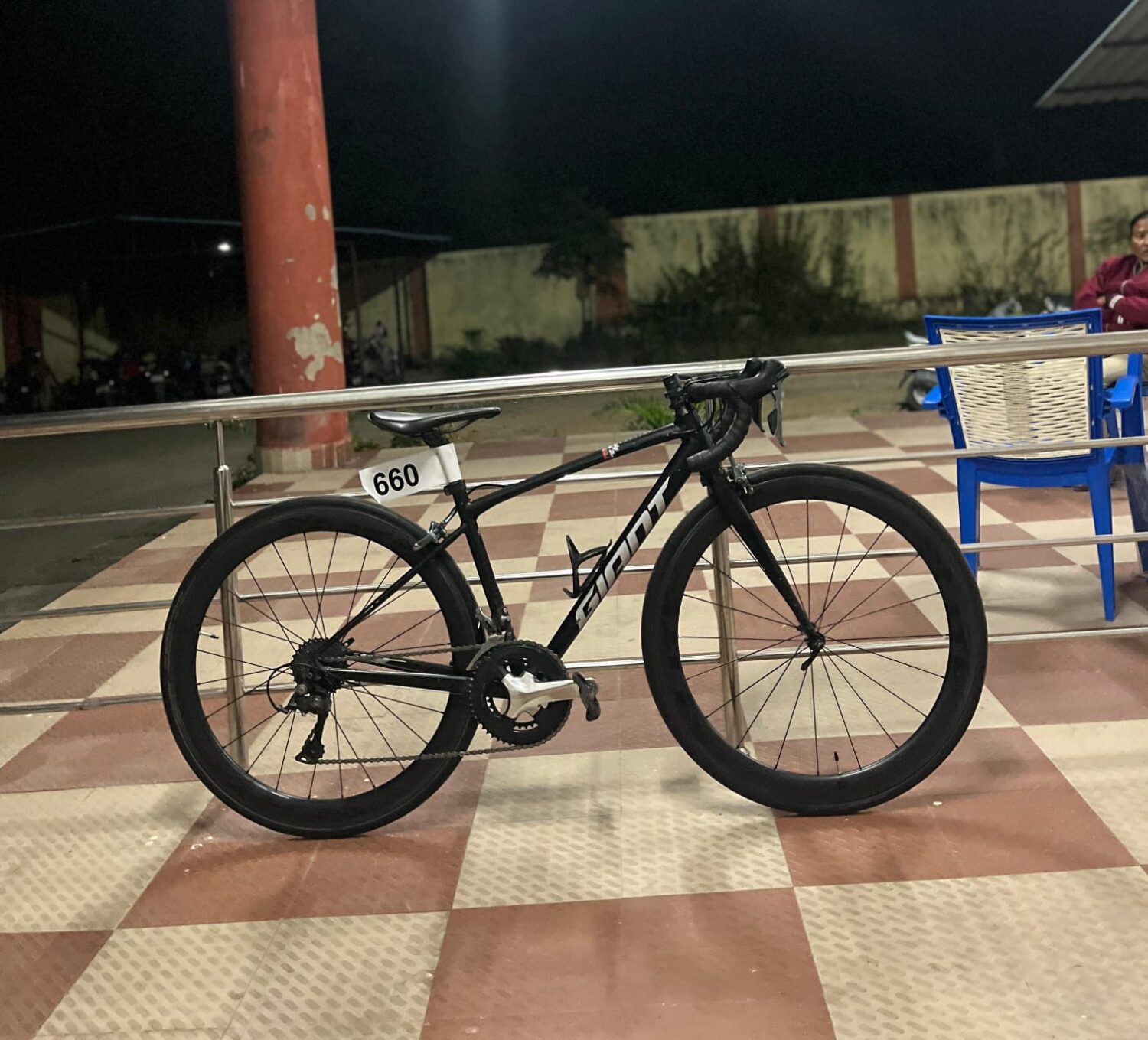

Her bike ready to race with the new crankset This is what he had to say…
Words from the Builder: Polo Bhattacharya
It’s been a while since I’ve worked on cycling related projects ever since I stopped building custom bikes two years ago. So when my friend (and ex-racing partner) Rejick called me asking me to shorten a crank- I was skeptical- safety, alignment- all that crap. But I live for the experiment so I took up the job- after making sure that the crank arms were long enough to make the cut safely.
Sheetal and I had a conversation about her requirements based on her reach and cadence and I went to work.
Aluminium is an easy enough metal to work with when it comes to drilling and threading- alignment is always a challenge when you don’t have the expensive tools to help you- you find ways.
The new hole was made at 145mm from bb centre and threaded (as standard norm). There was about 8% less material(thickness of crank) due to the design of the crank, so I did recommend the use a tiny bit of blue thread locker even though I don’t think it’d be necessary.
Sheetal and Rejick reported that the crank worked well for her upon testing and there were no alignment issues.
Then I simply cut the crank short with enough material beyond the hole to provide adequate strength and rounded it.
All this drilling and cutting had wore down the already worn black layer of paint. We didn’t have enough time for powder coating before Sheetal left the state for her race. So I opted to give it a polished aluminium finish for aesthetics.Sheetal after racing the States and Nationals had this to say about her modification:
Cadence improved.
Hip impingement and side to side movement improved.
Increased saddle height and shorter cranks led to much more open hips, enabling much better power output and aggressive postureIf you know anybody who is struggling with bike fit issues because of using crankarm lengths unsuitable to their body proportions, then share this with them, so that they can find a cost-effective solution in their backyard!
- AuthorPosts

- You must be logged in to reply to this topic.